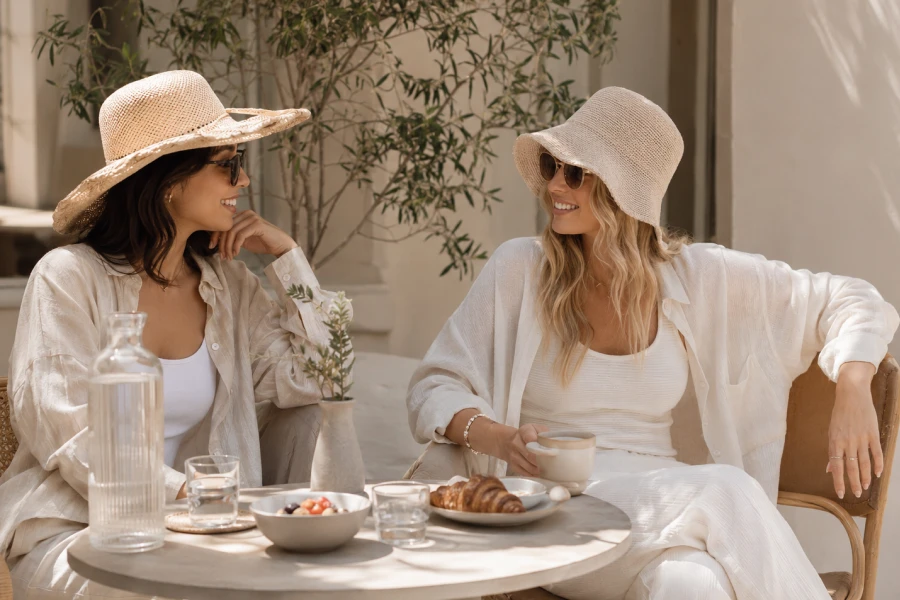
UPF fashion outfits feel modern when protection looks built into the style. Nobody wants clothing that feels like a medical compromise. People want breathable pieces that suit real plans, changing weather, and personal taste. That is where smart styling matters. A protective outfit can still look clean, feminine, sporty, coastal, minimal, or city-ready. The fabric does important work, but the styling completes the effect. Shape, proportion, color, and accessories all matter. When those choices align, sun-safe dressing feels current. You look prepared rather than covered up. That difference changes how often you reach for protective pieces.
Technical clothing can feel disconnected from everyday wardrobes. It often arrives in sporty colors, outdoor shapes, or plain basics. Styling bridges that gap. A protective top can look sophisticated under a linen vest. A long skirt can balance a cropped sun layer. Tailored shorts can make a relaxed shirt feel sharper. A strong polished vacation looks approach uses protection as design. This makes the outfit suitable for cafes, markets, resorts, and city walks. You are not dressing around protection. You are dressing with it.
Color makes protective dressing feel intentional. Choose shades that already work in your closet. Soft neutrals feel relaxed. Navy and white feel crisp. Olive, sand, clay, and muted blue can feel coastal. Texture also matters. Smooth knits, fine ripples, airy weaves, and matte finishes look more expensive. Avoid shiny fabrics unless they suit your style. A helpful breathable warm-weather style strategy makes protection feel lighter. Pieces should look like fashion first. Their function can stay quietly in the background.
Beach styling is only one part of the story. Protective pieces can work for school pickup, travel, sightseeing, lunch, gardening, and outdoor events. A button-front sun shirt can replace a blazer in warm climates. A full-coverage dress can look elegant with simple sandals. A lightweight jacket can protect arms during long drives. Add a structured tote and the look becomes city-ready. A versatile beach-to-city dressing mindset prevents one-use purchases. The best pieces move between settings. That flexibility makes them worth wearing repeatedly.
Layering can look effortless when proportions stay balanced. If the top layer is loose, keep the base clean. If the pants are wide, define the waist slightly. If the hat is dramatic, keep jewelry minimal. Protective style works better when one element leads. Too many coverage pieces can feel heavy. Choose airflow whenever possible. Roll sleeves when indoors. Tie a shirt at the waist when shade increases. A smart outdoor outfit planning routine keeps the look flexible. You stay comfortable without sacrificing polish.
Modern protection can match many aesthetics. Minimalists may prefer white, black, beige, and clean lines. Romantic dressers may choose soft wrap shapes, skirts, and delicate hats. Sporty wardrobes can use sleek pullovers, skorts, and technical trousers. Classic style works well with button-downs, tailored shorts, and simple sandals. Creative wardrobes can add color through accessories. The key is starting from your existing taste. Protection should not force a new identity. It should support the one you already have. When style feels familiar, consistency becomes easier. That is what makes the wardrobe sustainable.
Repeatable outfits are the secret to real use. Create one formula for errands. Create another for travel. Add one for beach days and one for outdoor meals. Photograph combinations that work. Keep the notes simple. Replace weak pieces slowly. Good protective dressing improves through observation. Notice what feels too warm, too casual, or too difficult to style. A clear practical SPF style system helps you refine without starting over. Over time, protection becomes part of your signature look.


Leave a comment